
Niagara Region says neurotoxin released by algae, not in drinking water
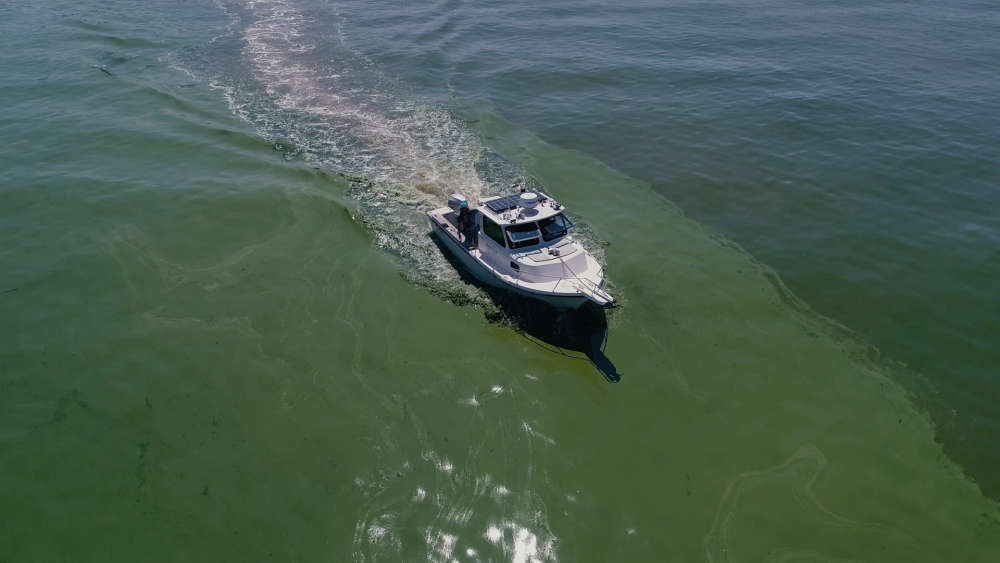
Regional officials say the blue green algae was found upstream from the plant on Friday.
Daily testing over the past few days has found there is no risk to human health at this time and it is being removed to minimize any risks.
The algae produces a neurotoxin, called microcystin.
High levels of the toxin in drinking water can cause kidney and liver damage if consumed.
Public Health officials say over the past two weeks, very low levels of microcystin have been detected in all of Niagara's water treatment plants.
Fortunately, the concentration is below the amount allowed by the Ontario Drinking Water Standards.
The region's public health and public works departments are working with the Environment Ministry to monitor and prevent any potential future risks.
Officials says the increase in blue-green algae in Lake Erie, which indirectly feeds Niagara's water treatment plants, is due to the hot weather we've been having this month.
 Marineland to Make Next Move: Minister
 Opinions Wanted on Port Colborne Future
 Welcoming Streets Initiative Approved
 NRP Officer Cleared of Wrongdoing
 Niagara Falls Considering Block Parents Against Crime
 Peach King Centre Reopened
 Niagara Falls Man Wins Lottery
 Marineland Given Nod to Move Whales